Trusted
excellence
since 1990
A&S Food Products, a food company, traces its roots back over three decades to the humble town of Kaluwadumulla in Ambalangoda.
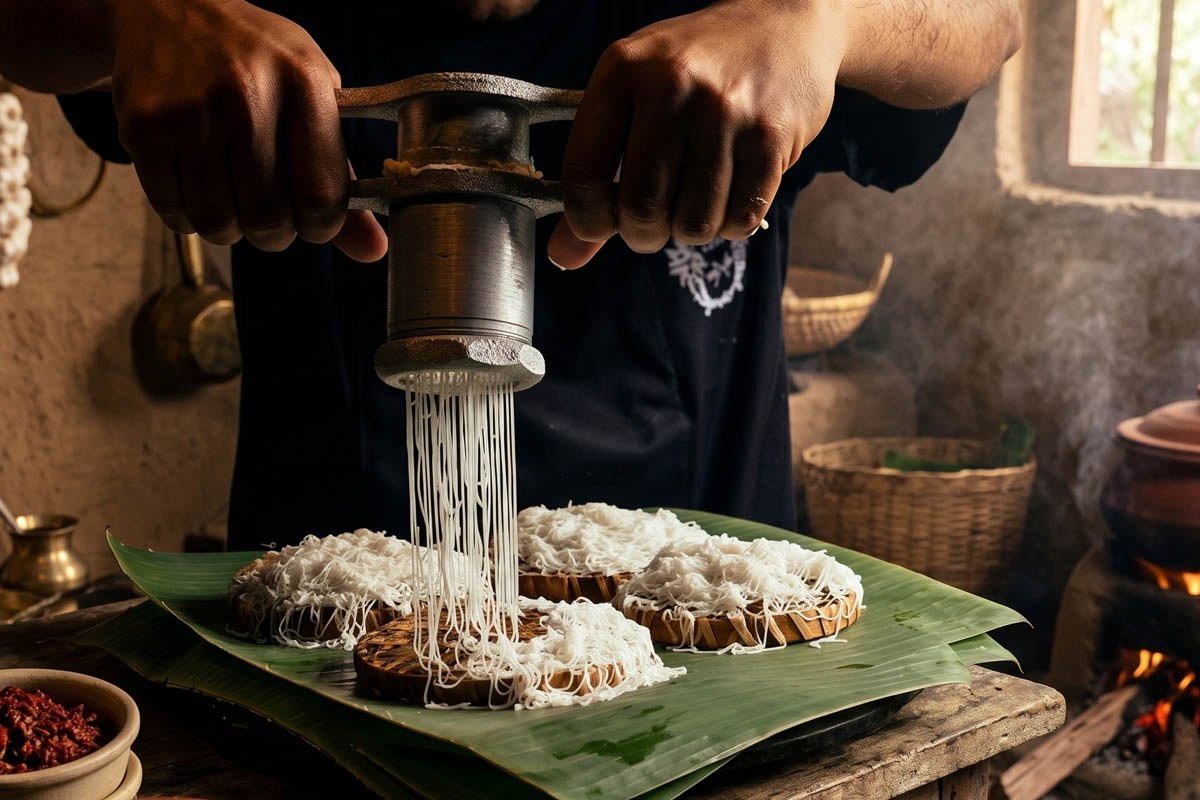
What began as a small-scale venture has blossomed into a purveyor of quality idiyappa (string hoppers). Premium rice grains, meticulously selected, are ground into flour using machinery, then deftly handwoven into delicate nests using a traditional press infused with spices.
Hygienically packaged, these A&S String Hoppers reach you bearing the trust of three generations of satisfied consumers.
Experience the true Sri Lankan authenticity
So Easy
Method: Take 250g of A&S Roasted String Hoppers flour into a bowl and gradually add 400ml Hot water (85°c) till you get the correct consistency.
• Add salt to taste.

Enhance your Skills
Kalu Dodol
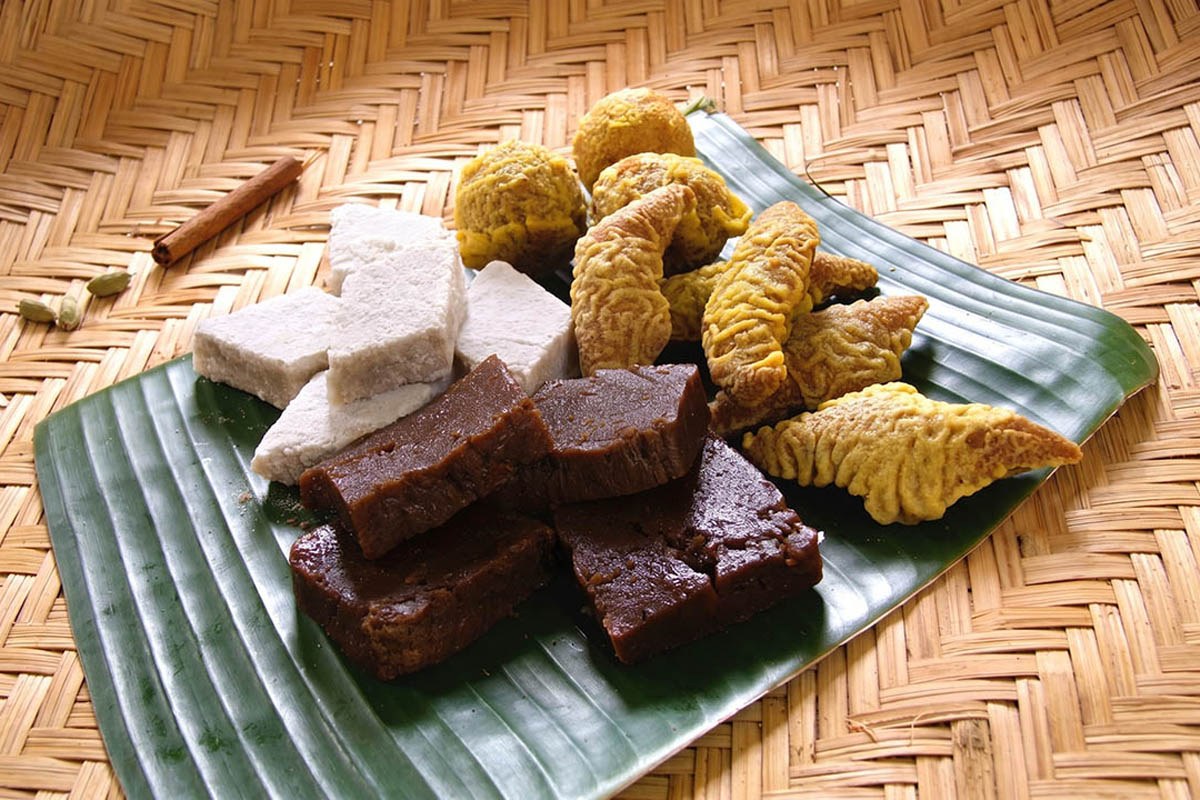
A sticky sweet snack that is found during many national festivities, auspicious occasions, weddings and various functions, Kalu Dodol is a fan favourite due to its gelatinous texture. Complicated than many recipes, Kalu Dodol is a time consuming dish to prepare but worth the effort put in.
Ingredients
A&S Roasted White Raw Rice Flour 350g
Thick Coconut Milk 3 Liters
Kithul Jaggery 900g
Brown Sugar 250g
Ground Cardamom 12 pods
Cashew 200g
Salt to taste
Method
Finely chop the Jaggery and keep it aside. Chop Cashew and do the same.
Sieve the rice flour. Leave 500 ml of coconut milk aside and then mix the rice flour with the rest of the milk.
Strain it to remove any lumps.
Melt the Jaggery in the left over coconut milk.
Add the sugar to the melted jaggery while keeping the pan on the stove and stirring under low heat.
Once everything is dissolved well add the rice flour and coconut milk mixture into it. Add the salt and Cardamom.
Increase the heat to a medium level and keep on stirring continuously.
About half an hour into it, the mixture will start to bubble.
Once the Kalu Dodol mixture becomes thick and does not stick to the sides of the pan, you can add the chopped cashew.
If you see excess oil surfacing, you can remove it with a spoon. This happens when the oil starts to separate.
Once thick, transfer the mixture onto a flat surface and press down so that it becomes flat and even.
Leave it to cool down completely which takes about 6 - 7 hours. After its well cooled, cut it into pieces and enjoy.
Mun Kewum
is a traditional Sri Lankan sweet made by mixing roasted green gram flour, rice flour, and treacle into a dough. This is then shaped, coated in a thick coconut milk and flour batter, and deep-fried to create a crispy outside with a soft, sweet center.
Key Ingredients
For the Mung Center:
2 cups of green gram (mung beans)
1 cup of A&S Roasted white Raw rice flour
1 to 2 cups of Kitul treacle (or coconut treacle)
1 cup of scraped coconut (optional, but adds great flavor)
1 tsp cardamom powder
Pinch of salt
For the Coating Batter:
1 cup of rice flour
1 cup of coconut milk (not too thick)
1/4 tsp turmeric powder
Pinch of salt
Preparation Method
1. Prepare the Mung Mixture
Roast & Grind: Dry roast the green gram in a pan over medium heat for 10–15 minutes until it turns a nice golden brown and smells fragrant. Let it cool completely, then grind it into a fine powder.
Boil the Treacle: In a large saucepan, bring the treacle, salt, and cardamom powder to a gentle boil.
Create the Paste: Slowly add the roasted green gram flour, rice flour, and scraped coconut into the boiling treacle, stirring continuously on low heat. Cook until it thickens into a pliable dough.
Shape: Transfer the warm mixture onto a lightly oiled flat board or baking tray. Flatten it out to about a Half-inch thickness using a rolling pin or spatula. Once it cools, cut it into traditional diamond shapes.
2. Make the Coating Batter
In a mixing bowl, combine the rice flour, turmeric powder, and salt.
Gradually whisk in the coconut milk to form a thick, smooth batter (similar to pancake batter) that will cling easily to the shaped pieces.
3. Fry the Kavum
Heat a deep pan with coconut oil or vegetable oil over medium-low heat.
Take the diamond-shaped pieces, dip them completely into the batter, and carefully drop them into the hot oil.
Deep fry until they turn crispy and golden brown.
Remove and let drain on a wire rack or paper towel.
More options
Peni Aluwa
Ingredients:
500g A&S Roasted White Rice Flour
375ml Coconut Treacle
3 Tablespoon Sugar
2 Cardamom Pods (Crushed without shell)
100g Cashew Nuts
Directions:
Step 1
First, put the rice flour in to a pan on a medium heat. Keep stirring for about 6-7 minutes, until the flour becomes light brown in colour . Turn off the heat and keep the flour in a separate bowl. Prepare the tray by spreading some rice flour on the surface. And keep some more (1-2 tablespoons) of rice flour aside.
Step 2
Now add the treacle and sugar in to a saucepan on a medium heat and start stirring for about 3 minutes. add the cardamom and mix well for another minute. Now add the cashew nuts and stir for another minute. Turn off the heat and start adding the rice flour bit by bit while mixing. Combine the flour well in to the treacle mixture.
Step 3
Now spread it on to the floured tray. Level evenly and add the separated rice flour on the Aluva surface. Now cut straightaway in to pieces using a knife.
This delicious Pani Aluwa is ready to be served now, enjoy!
Sri Lankan Breakfast delights
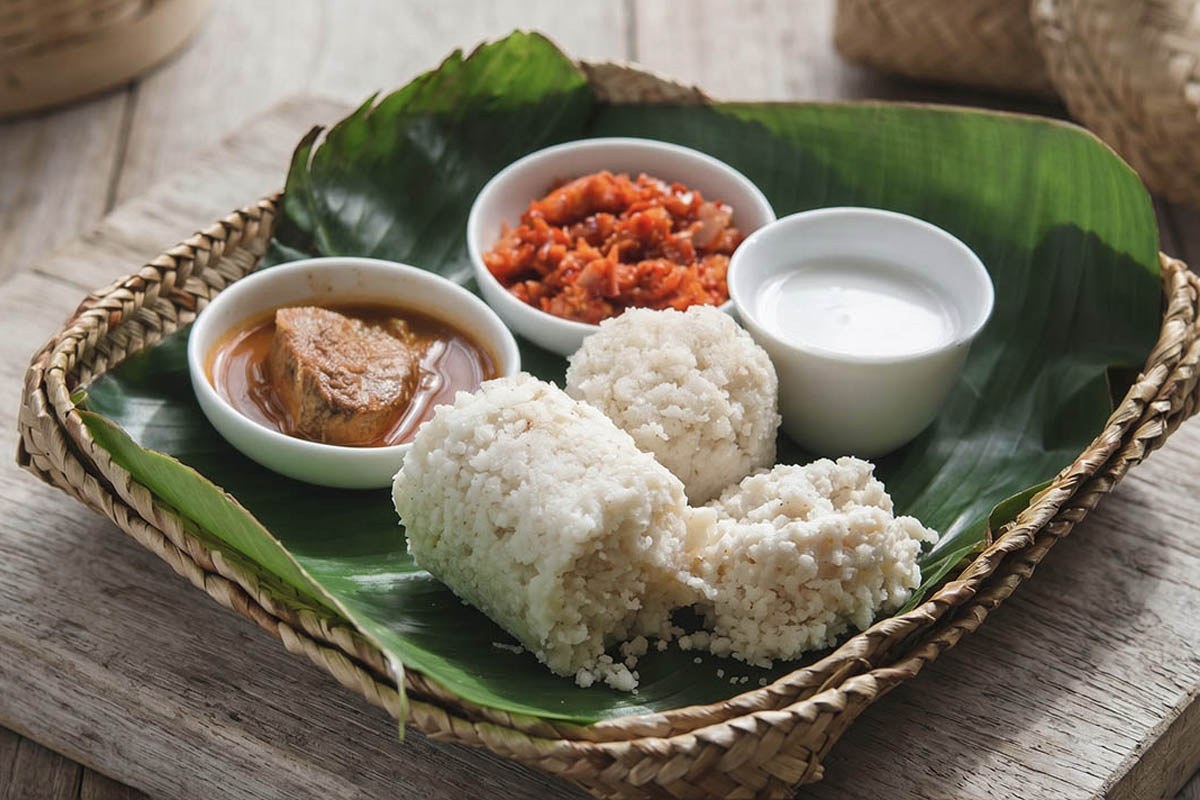
Pol Pittu
Ingredients & Tools
A & S Roasted String Hoppers flour: 2 cups
Grated coconut: 1.5 to 2 cups freshly grated.
Salt: 1 to 1.5 teaspoons (adjust to taste).
Water: About 1-2 cup of warm or room temperature water (or slightly less, depending on flour moisture).
Tools needed:
Pittu maker/steamer (pittu kulal) OR a traditional bamboo/coconut shell mold.
Step-by-Step Preparation
1. Prepare the flour-coconut mix
In a large, wide bowl, thoroughly mix the rice flour and salt.
Gently mix in the freshly grated coconut with your fingertips, ensuring it is evenly distributed.
2. Add water and crumble
Slowly sprinkle the water into the flour mixture while rubbing the ingredients together with your fingertips.
Work quickly and mix in a circular, rubbing motion from the top down to create soft, tiny granules (the size of small pearls or fine breadcrumbs).
Texture Check: Take a handful of the mixture and squeeze it into your fist. If it holds its shape as a clump but easily breaks back into fine crumbles when you touch it, it is perfectly hydrated. [1, 2]
Break down any larger lumps with your fingers or rub the mixture against the sides of the bowl.
3. Layer and steam
Fill the base pot of your pittu steamer with water and bring it to a rolling boil.
Place the cylindrical pittu mold on top of the base pot. Add a small pinch of grated coconut at the very bottom of the cylinder, followed by a handful of the crumbed flour mixture, then another light layer of coconut, and so on until the cylinder is full. Do not pack the mixture too tightly, or the steam won't circulate.
Cover the cylinder with its lid and steam over boiling water for 5 to 10 minutes, or until steam continuously pours out the top.
4. Unmold and serve
Carefully remove the cylindrical mold and use a wooden or metal plunger (which usually comes with a pittu maker) to gently push the solid, steaming cylinder of pittu out onto a serving plate.
Slice or break it into smaller, fluffy pieces and serve warm.
How to make String Hoppers in soft & Tasty.
Making traditional string hoppers (idiyappam) with rice flour involves preparing a soft, non-sticky dough with boiling water, pressing it into thin, lacy discs using a string hopper press, and steaming them for 5–10 minutes.
Ingredients
A&S roasted Raw Rice Flour - 2 cups
Water: 1.5 to 2 cups - Hot water (85°c)
Salt: 1/2 to 1 tsp
Oil: 1–2 tsp (for greasing and mixing into dough)
(Optional: 1 cup thin coconut milk )
Step 1 - Make the Dough
In a mixing bowl, combine the rice flour and salt.
Gradually pour in the Hot water (80*C) and stir quickly using a wooden spoon or spatula.
Add the water in batches until the flour forms a soft, pliable, and non-sticky dough. Add a teaspoon of oil or coconut milk if desired for extra softness.
Cover the bowl and let the dough rest for about 5 minutes so the flour absorbs the moisture.
Step 2 - Form the String Hoppers
Grease your string hopper/idiyappam press (maker) and the steamer plates (or string hopper mats/watti) with a little cooking oil.
Take a handful of the warm dough, shape it into a small log, and place it into the press.
Squeeze the press in a circular, inward-spiraling motion over the greased trays to create a thin, nest-like pattern.
Step 3 - Steam to Cook
Place the trays or mats inside a steamer over rapidly boiling water.
Cover and steam on a medium flame for 5 to 10 minutes until the string hoppers look glossy and cooked through.
Remove them from the steamer, let them cool slightly, and gently peel them off the mats.
Step 4 - Serving
Serve hot with delicious traditional sides like spicy pol sambol (coconut sambol), kiri hodi (mild coconut gravy), or various curries.